
CROP SEEDING & FERTILISING
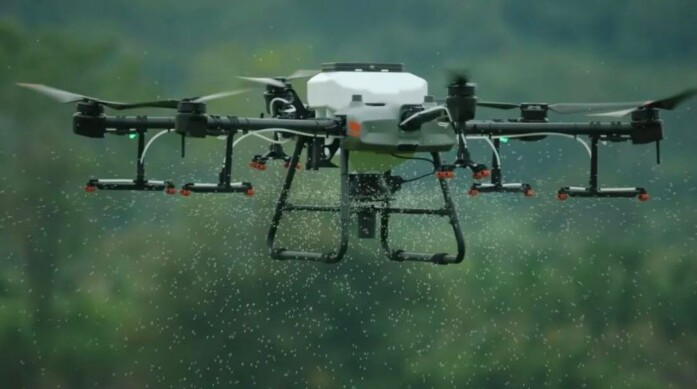
Drones are bringing precision, efficiency, and
sustainability to modern agriculture. By combining GPS guidance, sensor
data, and automated flight paths, agricultural drones can apply
seed and fertilisers with pinpoint accuracy while protecting workers and the
environment.
They can also map crop health, detect nutrient deficiencies, and
identify water stress before problems become visible to the eye.
From data
collection to precise aerial distribution drones reduce waste, cut costs, and
eliminate soil compaction — making them a powerful tool for smart, sustainable
farming across New Zealand’s varied landscapes.
OUR SERVICE BENEFITS
Benefits include:
Uses of
Drones in Crop Management
- Health & Nutrient Monitoring: Use multispectral and thermal sensors to identify early signs of stress, disease, or nutrient deficiency.
- Field Mapping: Generate detailed, georeferenced field maps showing soil type, elevation, and variation for accurate planning.
- Targeted Treatment Plans: Analyse data to create precise placement of fertiliser and maps for specific crop zones.
- Precision Spraying: Apply pesticides, herbicides, and liquid fertilisers only where needed, reducing chemical use.
- Granular Applications: Spread seeds or granular fertilisers in hard-to-reach areas such as steep slopes or wet paddocks.
- Difficult Terrain Access: Reach uneven, muddy, or dense crop areas where ground machinery can’t operate effectively.
Advantages
of Drone Seeding
- Improved Precision: Ensures even coverage and prevents over-application — reducing chemical use by up to 45%.
- High Efficiency: Covers large areas quickly with consistent accuracy and minimal human labour.
- Significant Cost Savings: Cuts spending on fuel and machinery maintenance.
- Enhanced Safety: Keeps operators away from exposure and dangerous terrain.
- Environmentally Sustainable: Reduces runoff and soil disturbance, helping to protect waterways and ecosystems.
- Improved Soil Health: Avoids compaction caused by heavy ground equipment, promoting better root development.
Considerations
& Limitations
- Initial Investment: Professional spraying drones and sensors can require significant upfront cost.
- Battery & Payload Limits: Flight time is typically 15–25 minutes with a full load, requiring refills for large fields.
- Weather Sensitivity: Calm, dry conditions are ideal for precise application and flight stability.
- Regulatory Compliance: NZ aviation regulations (CAA Part 102 certification) govern drone operation for agricultural use.